Traditional Fishing in the Maldives: A Local Experience Visitors Should Try
Traditional Fishing in the Maldives: A Local Experience Visitors Should Try Meta Description: Discover traditional fishing in the Maldives, from handline methods and local crews to cultural appeal, sunset trips, and why this authentic experience feels different from standard tourist fishing trips.
FISHING
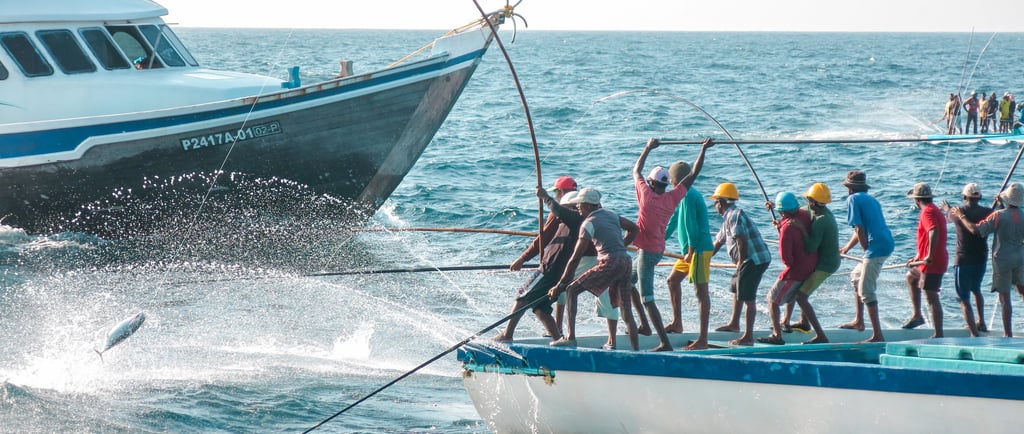
For many travelers, a fishing trip in the Maldives sounds like just another holiday activity. But if you choose a traditional fishing experience in the Maldives, it can become something far more memorable: a chance to see how local island life connects to the sea, learn simple handline techniques, and spend time with Maldivian crews who grew up around these waters. Official Maldives tourism content highlights fishing as a core part of the country’s identity and notes that authentic fishing from a boat is the real local experience.
What makes this different from a standard tourist charter is the feeling. Traditional Maldivian fishing is less about high-tech gear and more about rhythm, patience, local knowledge, and the bond between crew, boat, and ocean. The Maldives is internationally known for pole-and-line and handline methods, and tourism materials still promote traditional handline fishing as an experience visitors can try for themselves.
If you are planning a Maldives holiday and want something more meaningful than a generic excursion, this is one of the best activities to add to your itinerary.
Why traditional fishing in the Maldives feels different
A standard tourist fishing trip often focuses on gear, speed, and the excitement of a catch. Traditional Maldivian fishing has a different character. It is more personal, more local, and usually much simpler in the best possible way.
Maldives tourism materials describe local fishing techniques including pole-and-line fishing and handline fishing, while fisheries sources note that the country’s tuna fisheries have long depended on these traditional methods rather than large industrial systems. The Maldives’ skipjack pole-and-line and yellowfin pole-and-line/handline fisheries are also MSC certified.
That matters to visitors because it shapes the whole atmosphere of the trip. Instead of feeling like a sportfishing package that could happen anywhere, a traditional trip feels rooted in the Maldives itself.
If you are still comparing activities, you may also want to read about how to plan your first Maldives trip before choosing excursions.
What is traditional Maldivian fishing?
Traditional fishing in the Maldives usually refers to methods such as handline fishing and the country’s famous pole-and-line tuna fishing. Fisheries references describe Maldivian handline fishing as using a single line with a hook, while pole-and-line fishing uses one hook on a line attached to a pole, catching fish one at a time. Sources describing the fishery also note that crews often rely on visual signs like birds or dolphins rather than heavy electronic searching.
For visitors, the most accessible version is usually traditional handline fishing at sunset or night. Resort and excursion pages commonly describe these trips as guided by local captains and crew, with basic equipment and bait provided.
That simplicity is part of the appeal. You do not need to be an expert angler. You do not need complicated equipment. You just need a boat, a line, some bait, and a little guidance from people who know the water.
A good companion read for activity planning is what to pack for a Maldives vacation, especially if you want to be ready for boat evenings.
The role of local crews
One of the best parts of a traditional Maldives fishing trip is the crew. Local captains and fishermen often bring much more than technical help. They bring stories, instincts, timing, and a calm understanding of the sea that you do not get from a standard commercial tour.
Fisheries and transparency sources describe Maldivian fishing crews as working in coordinated groups, often around 15 to 20 fishers in commercial tuna fishing, using methods that depend on observation, bait knowledge, and practiced teamwork. Tourism experiences built around traditional handline fishing similarly emphasize guidance from local captains and crew.
For travelers, that local presence changes the experience completely. You are not only trying to catch a fish. You are seeing a small part of how the Maldives has lived with the ocean for generations.
Travelers who enjoy cultural activities may also like a Maldives island hopping guide, since fishing trips and local-island visits often complement each other well.
Handline fishing: simple, authentic, and beginner-friendly
If you are new to fishing, handline fishing is one of the easiest ways to start. It is straightforward and does not feel intimidating. Some traditional Maldives excursion descriptions explain the basic process very simply: bait the hook, lower the line, wait, and feel for the bite.
Why first-time visitors often enjoy it:
It is easy to understand
It feels hands-on and real
There is no need to learn complex equipment
The pace is relaxed and social
It often happens during beautiful sunset hours
That makes handline fishing a strong choice for couples, families, and travelers who want something authentic without needing advanced skills.
If you are choosing between water-based activities, you may also want to compare this with a Maldives sunset cruise guide, since some travelers prefer sightseeing while others want a more interactive boat experience.
A cultural experience, not just a catch
Fishing in the Maldives is not just recreation. It has long been part of daily life, food culture, and island identity. Visit Maldives describes fishing as the “lifeline” of the country and presents it as a key local experience for travelers. The official destination guide also points visitors toward local fishing vessels to experience the pole-and-line tradition the Maldives is famous for.
This is why a traditional trip often feels more meaningful than a standard tourist outing. You are stepping into something that reflects how island communities have worked with the sea for generations. Even if your trip is short and designed for visitors, the roots of the experience are still local.
For travelers interested in a broader cultural itinerary, this fits naturally alongside articles on Maldives resort vs guesthouse, especially if you are deciding how close you want to be to local island life.
Why it feels different from standard tourist fishing trips
The difference comes down to atmosphere, method, and connection.
A more typical tourist fishing charter may focus on heavy gear, faster action, and a sportfishing mindset. A traditional Maldives fishing experience is often slower, simpler, and more connected to local practice. Official and industry sources consistently describe Maldivian fishing through handline and pole-and-line methods, both of which are highly selective compared with industrial methods, catching fish one at a time.
Visitors often notice these differences:
Less equipment, more technique
More local guidance
A calmer pace
More cultural value
A stronger sense of place
That is why many travelers remember it not as “the day we went fishing,” but as “the evening we went out with a Maldivian crew and experienced something local.”
What you might catch on a Maldives fishing trip
Depending on the trip type and location, visitors may encounter species such as tuna and reef fish. Visit Maldives notes that big game and night fishing excursions in the Maldives can include species like tuna, barracuda, dorado, sailfish, and wahoo.
On a traditional handline outing for visitors, the exact catch can vary, and there is never a guarantee. But for most first-time travelers, the real reward is not only what you catch. It is the sunset, the sea air, the conversation on the boat, and the chance to try something rooted in local life.
Who should try traditional fishing in the Maldives?
This experience is ideal for:
First-time visitors who want something local
Travelers interested in culture as much as scenery
Couples looking for a memorable sunset activity
Families who want a simple hands-on excursion
Visitors who want a break from resort-only experiences
It is especially good for people who want an activity that feels more grounded than a polished tourist package.
If that sounds like your travel style, you may also enjoy family-friendly Maldives excursions or private boat trips in the Maldives, depending on how personal you want the outing to feel.
Tips for planning a Maldives fishing trip
Choose the type of experience carefully. If you want authenticity, look for wording such as traditional handline fishing, local crew, or Maldivian fishing experience.
Ask who runs the excursion. Trips led by local captains or island crews usually feel more genuine.
Go with beginner expectations. Traditional handline fishing is easy to try, but it is still real fishing, which means patience is part of the experience.
Bring light practical items. Sunglasses, a hat, water, and comfortable clothes help a lot, especially for late-afternoon or sunset departures.
Check whether the trip is from a resort or local island. The atmosphere can feel slightly different depending on the setting.
You may also want to check the best time to visit the Maldives, since weather and sea conditions can affect boat comfort and visibility.
FAQ: Traditional fishing in the Maldives
What is traditional fishing in the Maldives?
Traditional fishing in the Maldives usually refers to methods such as handline fishing and pole-and-line fishing, both of which are strongly associated with the country’s fishing heritage. Fisheries and tourism sources describe these as core Maldivian methods.
Is handline fishing in the Maldives good for beginners?
Yes. Traditional handline fishing is one of the most beginner-friendly fishing experiences because the method is simple and guided by local crew. Some Maldives experience pages describe it as easy to try even without expertise.
How is traditional Maldivian fishing different from tourist fishing charters?
Traditional trips usually focus more on local methods, simpler gear, cultural context, and guidance from Maldivian crews. Standard tourist charters are often more sportfishing-focused.
What fish can you catch during a Maldives fishing trip?
Depending on the type of trip, visitors may encounter tuna and other species. Visit Maldives notes species such as tuna, barracuda, dorado, sailfish, and wahoo for Maldives fishing excursions.
Do local crews lead traditional fishing trips in the Maldives?
Often yes. Many traditional fishing excursions are guided by local captains and crew, which is one reason the experience feels more authentic.
Is traditional fishing in the Maldives worth trying?
Yes, especially if you want a more authentic and cultural activity. It is one of the easiest ways to experience the connection between Maldivian island life and the ocean.
Final takeaway
A traditional fishing experience in the Maldives is more than a boat trip. It is a chance to try authentic handline fishing, spend time with local crews, and experience a part of the Maldives that feels rooted in everyday island culture rather than built only for tourists. Official tourism and fisheries sources consistently show that handline and pole-and-line fishing are central to the Maldivian identity and remain a defining part of how the country relates to the sea.
For first-time visitors, that is exactly what makes it special. It is scenic, simple, beginner-friendly, and memorable for reasons that go far beyond the catch.