Maldives Snorkeling: Guide to Marine Life & Turtles
Explore the best snorkeling spots in the Maldives with our safe guide. Discover vibrant marine life, including turtles, rays, reef sharks, and seasonal manta rays for an unforgettable underwater adventure. Maldives Snorkeling
SNORKELING & REEF
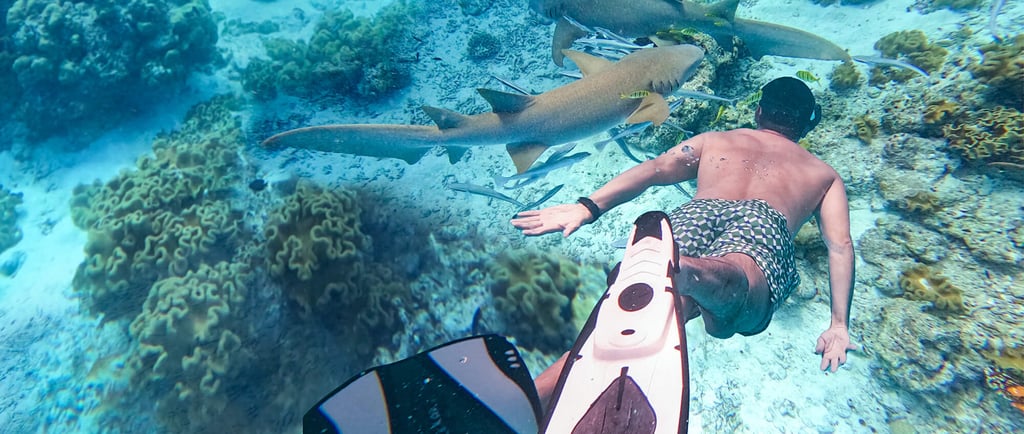
The Maldives is one of the world’s great places to snorkel with wild marine life. In clear lagoons and outer reefs, travelers may encounter sea turtles, eagle rays and stingrays, reef sharks, and, in the right season and at the right atolls, magnificent manta rays. Visit Maldives’ 2026 destination guide highlights turtles across many reefs, reef sharks, and manta rays as signature snorkeling and diving encounters in the country.
For travelers, the real magic is not only seeing these animals, but seeing them responsibly. Good reef etiquette protects wildlife from stress and keeps snorkeling experiences safer for people too. Marine-life viewing guidance from NOAA and manta research in the Maldives both stress that getting too close, blocking an animal’s path, or crowding feeding and cleaning areas can disturb natural behavior.
What You May See While Snorkeling in the Maldives
Many snorkelers hope to see turtles first, and for good reason. They are among the most beloved marine animals in the Maldives, often spotted near house reefs, seagrass areas, and coral gardens. Rays are another favorite, especially graceful eagle rays gliding along reef edges or stingrays in sandy areas. Reef sharks, especially blacktip and grey reef sharks in some regions, are also common enough to be a highlight rather than a rarity.
Seasonal manta rays are the dream encounter for many visitors. Sightings vary by atoll and monsoon pattern, but current operator and travel guidance commonly places strong manta activity in parts of the Maldives between roughly May and November, while other atolls can have different peak windows. One current Maldives resort source advertises mass manta encounters from June to October, while another Maldives travel source explains that manta concentrations shift between east and west sides of atolls with the monsoons.
Why Safe Distance Matters
The best wildlife encounters happen when animals act naturally. That only happens when snorkelers keep a respectful distance. For manta rays, research linked to the Maldives found that divers were more likely to avoid disturbing mantas when they stayed more than three meters away and kept off reef cleaning stations. NOAA guidance also emphasizes that trying to closely approach or touch marine wildlife can cause animals to flee, become stressed, or react aggressively.
For sea turtles, NOAA says they need at least 10 feet of space on land and in the water, while broader NOAA viewing guidance recommends a much larger 50-yard minimum by land or sea. In practice, snorkel guides in the Maldives usually aim for passive viewing: stay well back, let the animal choose whether to pass nearby, and never chase it for a photo.
A practical beginner rule is simple: if the animal changes direction, speeds up, dives away, or appears to avoid you, you are too close.
What Not to Do Around Marine Life
A lot of bad wildlife interactions come from excitement, not bad intentions. Snorkelers see a turtle or manta and instinctively swim toward it. But the wrong move can turn a beautiful moment into a stressful one for the animal.
Do not touch marine life. Do not ride, grab, block, or surround animals. Do not dive down onto rays or sharks from above. Do not position yourself directly in front of a turtle that is trying to surface to breathe. And do not hover over manta cleaning stations, because those are sensitive places where mantas pause for essential parasite-cleaning behavior.
It also matters what you do to the reef itself. Standing on coral, kicking it with fins, collecting shells, or stirring up sand can damage habitat and reduce visibility for everyone. Good snorkeling is low-impact snorkeling.
How Guides Usually Operate
A well-run Maldives snorkeling trip is usually calm, structured, and wildlife-first. Good guides begin with a briefing before anyone gets in the water. They explain entry points, currents, hand signals, and how close guests should get to animals. They also tend to group snorkelers together rather than letting everyone fan out and surround wildlife.
For manta encounters especially, guides play a major role in reducing disturbance. Manta Trust research notes that guides are essential in communicating the code of conduct and helping visitors follow it. In practice, that often means entering the water up-current or off to the side, floating quietly, and allowing mantas to pass rather than pursuing them.
On turtle or reef-shark snorkels, guides usually keep the group moving gently along the reef instead of sprinting after sightings. If an animal approaches, the guide may signal guests to stop kicking, spread out less, and simply float. That is often when the best encounters happen.
Why Reef Etiquette Matters
Reef etiquette is not just about being polite in nature. It directly affects the health of the animals and habitats people come to see. The Manta Trust notes that unsustainable tourism can be harmful to mobulid rays, while Maldives manta studies have found that codes of conduct help reduce disturbance and support sustainable tourism.
Healthy reefs also make for better snorkeling. Calm, respectful groups are more likely to see natural behavior: turtles feeding, rays cruising, sharks patrolling the reef edge, and mantas looping through plankton-rich water. Poor behavior does the opposite. It scares animals away and slowly degrades the experience for future visitors.
Do / Don’t for Snorkeling With Marine Life in the Maldives
Do
Keep a respectful distance from turtles, rays, sharks, and mantas.
Float calmly and let wildlife come to you.
Listen to your guide’s briefing and follow entry and spacing instructions.
Use reef-safe habits: good fin control, no standing on coral, no grabbing rocks or coral heads.
Back away slowly if an animal seems uneasy or changes behavior. NOAA advises slowly re-establishing distance if wildlife approaches too closely.
Bring a mask that fits well so you are not distracted and tempted to flail near animals.
Don’t
Don’t touch, chase, corner, or feed marine animals.
Don’t block a turtle’s path to the surface.
Don’t dive down onto manta rays or hover over cleaning stations.
Don’t kick coral, stand on reefs, or stir up sand for a closer photo.
Don’t crowd wildlife with a whole group at once.
Don’t assume a calm shark or ray wants interaction. Wild animals should stay wild.
Final Thoughts
The best Maldives snorkeling experiences are the ones that feel effortless: a turtle cruising past, a ray drifting over blue water, a reef shark in the distance, or a seasonal manta ray encounter that happens on the animal’s terms. The secret is simple. Keep your distance, move gently, follow your guide, and treat the reef like a living home, not a theme park. When snorkelers do that, the Maldives stays magical for both visitors and marine life.