Kitesurfing & Wing Foiling in the Maldives
Discover the ultimate guide to kitesurfing and wing foiling in the Maldives. Get insights on lessons, optimal conditions, and essential tips for an unforgettable experience.
SURF & BOARD SPORTS
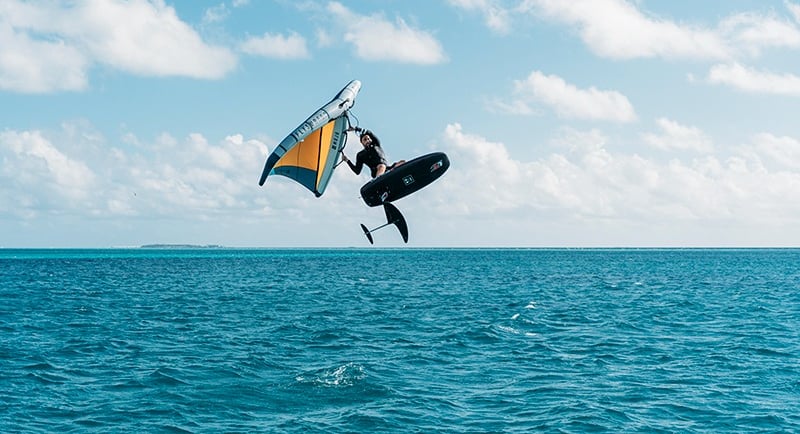
The Maldives is best known for calm lagoons and diving—but it’s also an incredible destination for kitesurfing and wing foiling. With warm water, steady winds, and shallow lagoons, it offers a safe and scenic environment to learn or improve.
Whether you’re a beginner or looking to progress, this guide covers wind conditions, lessons, gear, and practical tips.
Wind Seasons in the Maldives
Wind is the most important factor for both kitesurfing and wing foiling.
Main Wind Season (May to October)
Southwest monsoon
Stronger, more consistent winds
Ideal for kitesurfing and experienced riders
Lighter Wind Season (November to March)
Calmer conditions
Better for beginners and learning basics
👉 Best overall time: May–October for consistent sessions
👉 Best for beginners: November–March (easier conditions)
Lagoon Conditions (Why Maldives Is Beginner-Friendly)
Most kitesurfing and wing foiling spots are in protected lagoons.
What makes them ideal:
Flat, shallow water
Minimal waves
Soft sandy bottoms
Clear visibility
💡 These conditions reduce risk and make learning much easier.
Lesson Structure (What to Expect)
Beginner Lessons Usually Include:
1. Theory (On Land)
Wind direction and safety
Equipment basics
Control techniques
2. Practice (Shallow Water)
Kite or wing handling
Body positioning
Balance and control
3. Riding Stage
First water starts
Short rides
Controlled movement
Duration:
Intro session: 1–2 hours
Full beginner course: 2–3 days
💡 Progress depends on wind conditions and your comfort level.
Kitesurfing vs Wing Foiling (Quick Comparison)
Kitesurfing
Powered by a kite
Faster speeds
More technical
👉 Best for: Those who want performance and adrenaline
Wing Foiling
Handheld wing + board
More stable and easier to control
Can be learned quicker
👉 Best for: Beginners and those wanting a smoother learning curve
Safety & Licensing
Safety is taken seriously in the Maldives.
What to expect:
Certified instructors (IKO, VDWS, or equivalent)
Safety briefings before sessions
Use of helmets and life jackets (when needed)
Controlled training areas
👉 You don’t need a license to start—but certification is recommended for independent riding.
What Gear Is Provided?
Most schools include:
Kite or wing
Board (standard or foil)
Harness (for kitesurfing)
Safety equipment
Instructor guidance
💡 Beginners don’t need to bring gear—everything is usually provided.
How to Choose the Right Instructor
Your learning experience depends heavily on your instructor.
Look for:
Certified instructors (IKO/VDWS)
Good reviews or recommendations
Small group or private lessons
Clear communication
Focus on safety
Ask before booking:
What’s included in the lesson?
How long is each session?
Group or private training?
Equipment quality?
Backup plan if wind is low?
👉 A good instructor makes learning faster and safer.
Tips for Beginners
Start with short sessions to avoid fatigue
Don’t rush—focus on control first
Listen carefully to instructions
Practice in calm conditions
Be patient—progress takes time
💡 Most beginners can stand and ride within a few sessions.
Packing Checklist ✅
Clothing & Essentials:
Rash guard or long-sleeve swimwear
Board shorts or swimwear
Reef-safe sunscreen
Sunglasses with strap
Towel and dry clothes
Optional:
Water shoes (for extra grip)
Gloves (for kite control)
Waterproof phone pouch
Action camera
💡 Travel light—most technical gear is provided.
Final Thoughts
Kitesurfing and wing foiling in the Maldives offer a unique mix of adventure and beauty. With ideal lagoon conditions and professional instruction, it’s one of the best places in the world to learn.
👉 The key is simple:
Choose the right season, learn with a certified instructor, and take it step by step.
With the right approach, you’ll be riding the Maldivian waters in no time