Best Surf Spots in the Maldives for Different Skill Levels
Best Surf Spots in the Maldives for Different Skill Levels Meta Description: Discover the best surf spots in the Maldives for beginners, intermediate surfers, and advanced riders. Learn how to choose the right surf location by experience, season, and travel style.
SURF & BOARD SPORTS
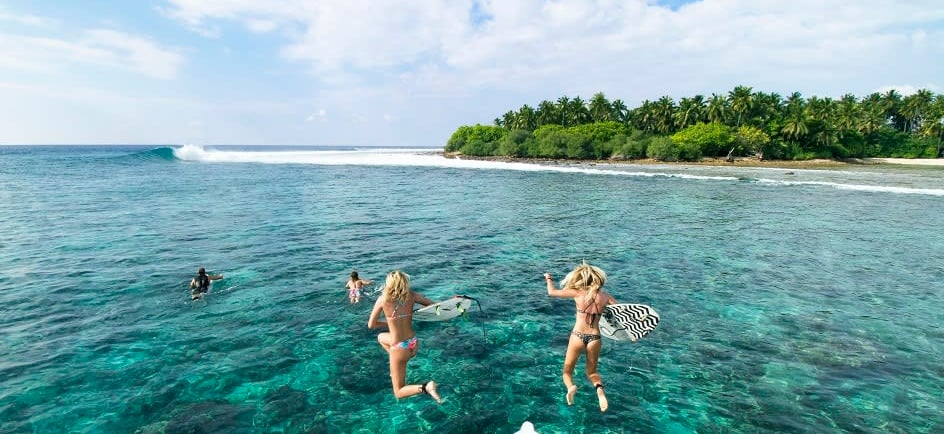
If you are planning a surf trip to the Maldives, one of the most important things to get right is choosing a break that matches your level. The Maldives has surf zones in the north, central, and south atolls, and official tourism guidance describes these areas as suitable for beginner, intermediate, and advanced surfers depending on the break.
That matters because a Maldives surf holiday can mean very different things. For one traveler, it is mellow practice waves and easy take-offs. For another, it is longer, faster reef breaks and more powerful barrels. The best Maldives surf spot is not simply the most famous one. It is the one that fits your experience, confidence, and travel season.
Why the Maldives is such a popular surf destination
The Maldives is well known for warm water, reef breaks, and access to multiple surf zones across different atolls. Official Visit Maldives materials say the country’s surf season runs roughly from mid-February to November, with especially good conditions from March to May and September to late November. Surfline also notes that the main swell season is during the Southwest Monsoon, with April to October being the key window, and says April to June often combines fairly consistent swell with many glassy days.
For travelers, that means timing matters almost as much as location. Some spots feel manageable and fun in smaller surf, then become much more serious when swell jumps. That is why choosing the right Maldives surf location should always involve both skill level and season.
Best beginner-friendly surf spots in the Maldives
If you are new to surfing or still building confidence, the Maldives does have beginner-friendly options. Visit Maldives specifically highlights Ninjas as ideal for all abilities including beginners, describing it as a spot with slow and mellow right-hand waves and smaller swell than other hotspots. It also lists Sultans as a good option for beginners when the swell is small, and Honkys as a fun spot with a mellow take-off.
In the south, Visit Maldives also points to Antiques as a smaller and friendlier right-hander that suits beginners, and Two Ways as a slower-peeling break suitable for beginners and intermediates.
For travelers who want the softest entry point possible, there are also beginner-oriented resort setups. Visit Maldives notes that the LUX* Break offers gentle swells around 1 to 2 meters and is positioned as ideal for beginners. A separate 2025 Visit Maldives update also mentions lagoon-based introductory surf sessions for beginners, which can be a good fit for travelers who are not yet ready for open reef breaks.
Best surf spots in the Maldives for intermediate surfers
Intermediate surfers usually want something more exciting than a pure beginner wave, but not the heaviest, fastest option in the atoll. Visit Maldives places Chickens in the intermediate-to-advanced category and says the wave has two sections, with the last section offering barrel opportunities. It also lists Cokes as intermediate to advanced, with larger right-hand waves and hollow, barreling sections.
In South Malé, Visit Maldives identifies Twin Peaks as suitable for intermediate surfers and notes that it picks up more swell than some nearby breaks. It also describes Riptides as a speedy right-hander with strong currents, better suited to intermediate to experienced surfers.
This is often the sweet spot for travelers who already surf regularly at home and want a real Maldives reef-break experience without jumping straight into the most technical or punishing waves. If that sounds like you, focus on breaks that still offer some forgiveness on take-off and section shape.
Best advanced surf breaks in the Maldives
For advanced surfers, the Maldives has several famous reef breaks that demand more confidence and better wave judgment. Visit Maldives lists Lohis, Pasta Point, and Jailbreaks among the advanced options in North Malé. It describes Lohis as highly consistent, Pasta Point as one of the most consistent waves in the Maldives, and Jailbreaks as the fastest wave in the country, with long, fast, barreling sections.
Visit Maldives also highlights more powerful breaks beyond the core beginner list, including Yin Yang in Laamu, which it describes as the most consistent wave there and best under strong southeast swell, with thick barrels and a powerful inside section. It also points to Five Islands/Gani Point as a hollow right-hander that breaks hard on a shallow inside reef and handles bigger swells well.
These are not the best places to “see how it goes” if you are still shaky on reef positioning, current awareness, or faster take-offs. In the Maldives, advanced spots are rewarding, but they can also punish poor timing quickly. Surfline specifically warns that currents between islands can pull surfers out of position and says you should pay close attention to tides and keep land lineups when possible.
How to choose the right Maldives surf location
The easiest way to choose the right surf location is to match the break to your real level, not your ideal level.
If you are a beginner, prioritize mellow waves, easier take-offs, and lagoon-based or soft reef options. Official Maldives guidance supports spots like Ninjas, Sultans in smaller swell, Honkys, Antiques, and beginner-oriented resort setups.
If you are intermediate, look for waves that offer shape and speed without being the heaviest break in the zone. Chickens, Cokes, Twin Peaks, and sometimes Two Ways can fit that level depending on conditions.
If you are advanced, you can build your trip around well-known reef breaks such as Lohis, Pasta Point, Jailbreaks, Yin Yang, and larger-swell options like Five Islands/Gani Point.
How season affects where you should surf
Season is a huge part of choosing the right Maldives surf trip. Visit Maldives says surf conditions are good through much of the season from mid-February to November, with especially good conditions from March to May and September to late November. Surfline says the Southwest Monsoon from April to October is the main surf window, and that April to June is often especially attractive because of consistent swell and many glassy days, while July to September can become windier and stormier.
For practical trip planning:
Beginners usually do better in smaller swell windows and on gentler breaks.
Intermediate surfers often do well when there is enough swell for shape but not constant heavy surf.
Advanced surfers may prefer the stronger, more consistent months when bigger reef waves come alive.
Resort stay, local island, or surf charter?
Your base also shapes your surf experience. Surfline notes that travelers usually choose between land-based resort stays and boat charters, with boat trips giving access to more breaks, while resort stays are more comfortable but limit how freely you move between spots. It also notes that some resorts have access advantages tied to nearby surf breaks, such as Pasta Point and Lohi’s.
That means:
choose a resort stay if comfort and easy logistics matter most,
choose a local island surf base if you want a more independent trip style,
choose a boat charter if surfing variety is the top priority.
Best choice by traveler type
First-time surf travelers to the Maldives: stick to beginner-friendly zones and smaller-swell periods. Visit Maldives clearly identifies several beginner breaks rather than treating the whole destination as expert-only.
Improving surfers: pick North or South Malé options where you can mix easier and slightly more demanding breaks on the same trip.
Experienced reef surfers: focus on the famous advanced breaks and consider season carefully so you arrive when the type of swell you want is most likely.
Internal hyperlink suggestions
These are good internal anchor texts to use naturally in the article:
best time to visit the Maldives
how to plan your first Maldives trip
Maldives resort vs guesthouse
best sailing and cruise experiences in the Maldives
best snorkeling spots in the Maldives
Discover Scuba Diving in the Maldives
family-friendly Maldives excursions
what to pack for a Maldives vacation
Helpful tips for planning a Maldives surf trip
Book according to your real skill level, not just the most famous wave name. In the Maldives, many of the best-known breaks are reef-based and can become much more serious with swell. Visit Maldives separates beginner, intermediate, and advanced breaks for a reason.
Check the season window before locking in your island or boat. Conditions can change a lot depending on the month, especially once you move deeper into the monsoon season.
Take currents and tides seriously. Surfline specifically warns that currents between islands can be strong enough to pull surfers out of position.
If you are a beginner, consider places that also offer lagoon or introductory coaching, not just open-break access. Visit Maldives has highlighted those beginner-friendly options in recent resort surf coverage.
FAQ: Best surf spots in the Maldives
What is the best surf spot in the Maldives for beginners?
Visit Maldives highlights Ninjas as ideal for all abilities including beginners, and also points to Sultans in smaller swell, Honkys, Antiques, and Two Ways as beginner-friendly or beginner-accessible options.
What are the best advanced surf breaks in the Maldives?
Official Maldives surf guidance lists Lohis, Pasta Point, and Jailbreaks among the advanced options in North Malé, while other featured powerful breaks include Yin Yang and Five Islands/Gani Point.
When is surf season in the Maldives?
Visit Maldives says the surf season runs from mid-February to November, with especially good conditions from March to May and September to late November. Surfline says the main surf season is April to October, with April to June often especially favorable.
Is the Maldives good for beginner surfers?
Yes. Official tourism content specifically says the Maldives has spots popular with beginner, intermediate, and advanced surfers, and it names several breaks suitable for beginners.
How do I choose the right Maldives surf location?
Choose based on your experience level, the season, and whether you want a resort base, local island stay, or surf charter. Beginner surfers should look for slower, mellower waves, while advanced surfers can target the better-known reef breaks in stronger swell periods.
Are Maldives surf breaks only for experienced surfers?
No. Some of the country’s famous breaks are advanced, but official Maldives guidance clearly includes beginner and intermediate options too.
Final takeaway
The best surf spots in the Maldives depend on who you are as a surfer. Beginners should lean toward mellower breaks and smaller-swell periods. Intermediate surfers can enjoy a wider mix of shape and power. Advanced surfers can build a trip around the Maldives’ most famous reef breaks, especially during the stronger months of the surf season. Official Maldives tourism guidance and surf travel references both support that level-based approach.